Some countries are remembered for their architecture, others for their table. Azerbaijan belongs to the second kind. Your introduction often begins with the smell of smoke from a grill and a bunch of fresh coriander, and ends with a plate of sweet pakhlava, and between those two points lies a whole geography of flavors.
The cuisine took shape where the mountains meet the subtropics, and it reflects both the climate and the traditional way of life. Lamb and chicken, fish from the Caspian, juicy vegetables and fruit, and above all herbs and spices: coriander, mint, basil, tarragon, sumac, dill, parsley. It is the herbs that give Azerbaijani dishes the aroma you will miss once you are back home.
Smoke, skewers and the tandoor
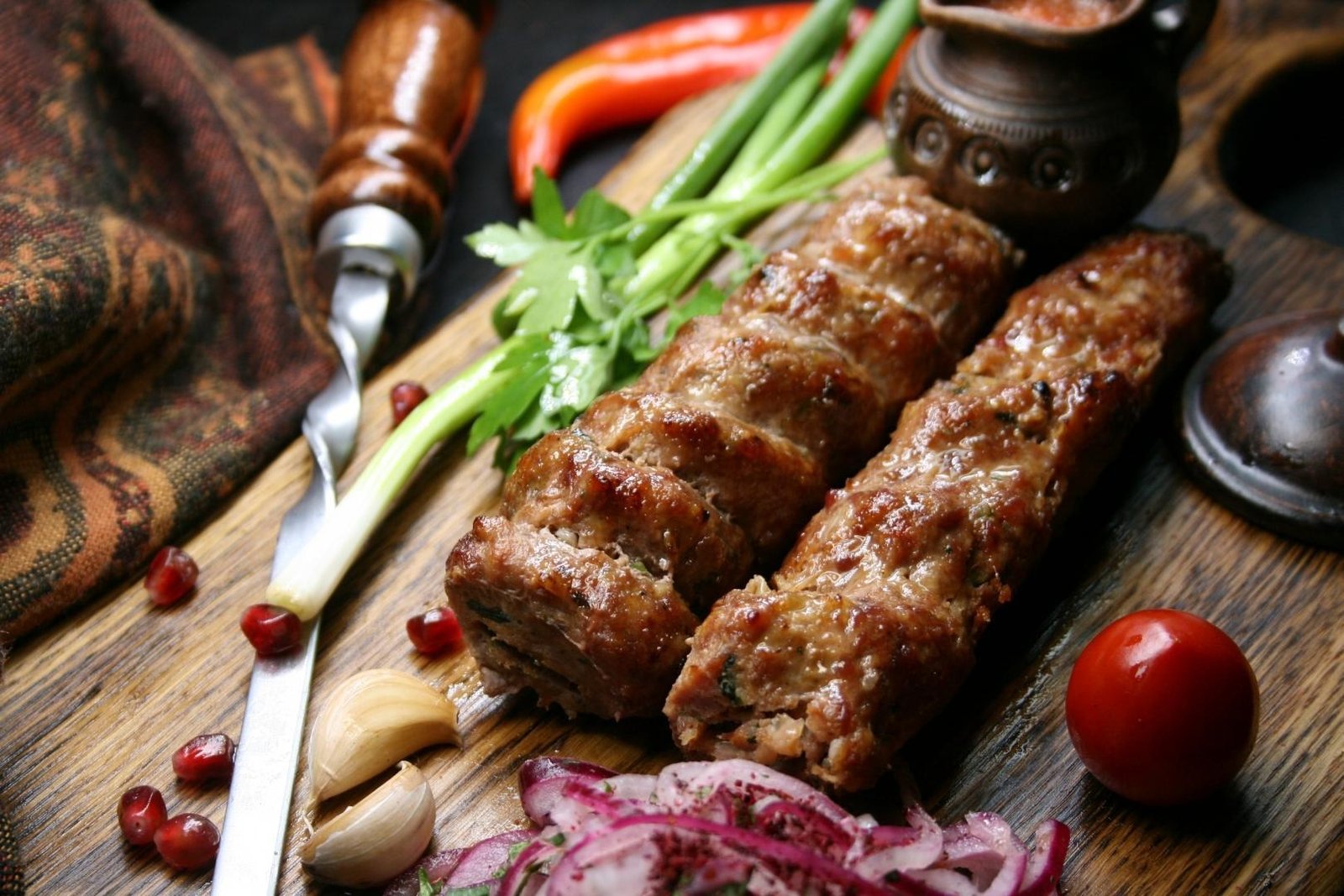
If Azerbaijan has a signature dish, it is kebab. Grilled meat and dishes from the tandoor make up the core of many restaurant menus, and the star of the table is lamb, especially young lamb. On the skewers you will find pieces of meat (tika kebab), juicy lyulya made from minced lamb, and khan kebab: liver carefully wrapped in lamb tail fat. Beside them on the plate come baked tomatoes and eggplants, potatoes and narsharab, a tangy pomegranate sauce that sets off the meat remarkably well. Fish lovers choose sturgeon in a tomato and onion marinade.
Piti in Sheki
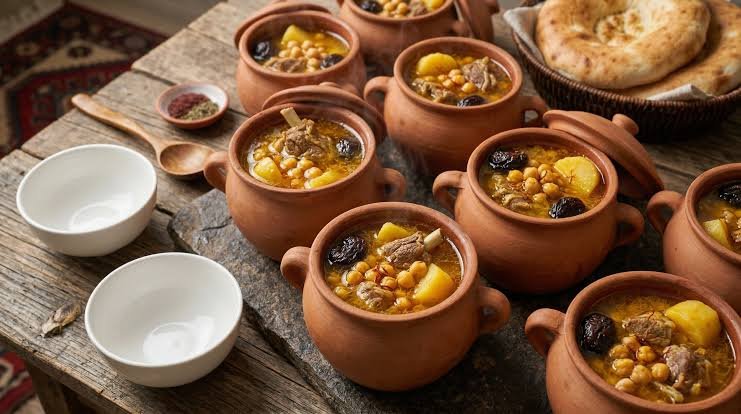
Some dishes are best tried where they come from. Piti, a thick dish of lamb, chickpeas and chestnuts, is considered a specialty of Sheki, and it arrives in a small clay pot in which it has simmered for hours. There is a little ritual to it: first the broth is poured into a bowl and eaten with bread, then the meat and vegetables are mashed in the pot and served as a second course. One pot is one portion, and at first it seems like far too much.
And if you want dinner to turn into a small performance, order saj. Meat and vegetables are cooked in a special pan and brought to the table on a brazier with hot coals, so the dish keeps cooking in front of you.
Dolma: a taste recognized by the world
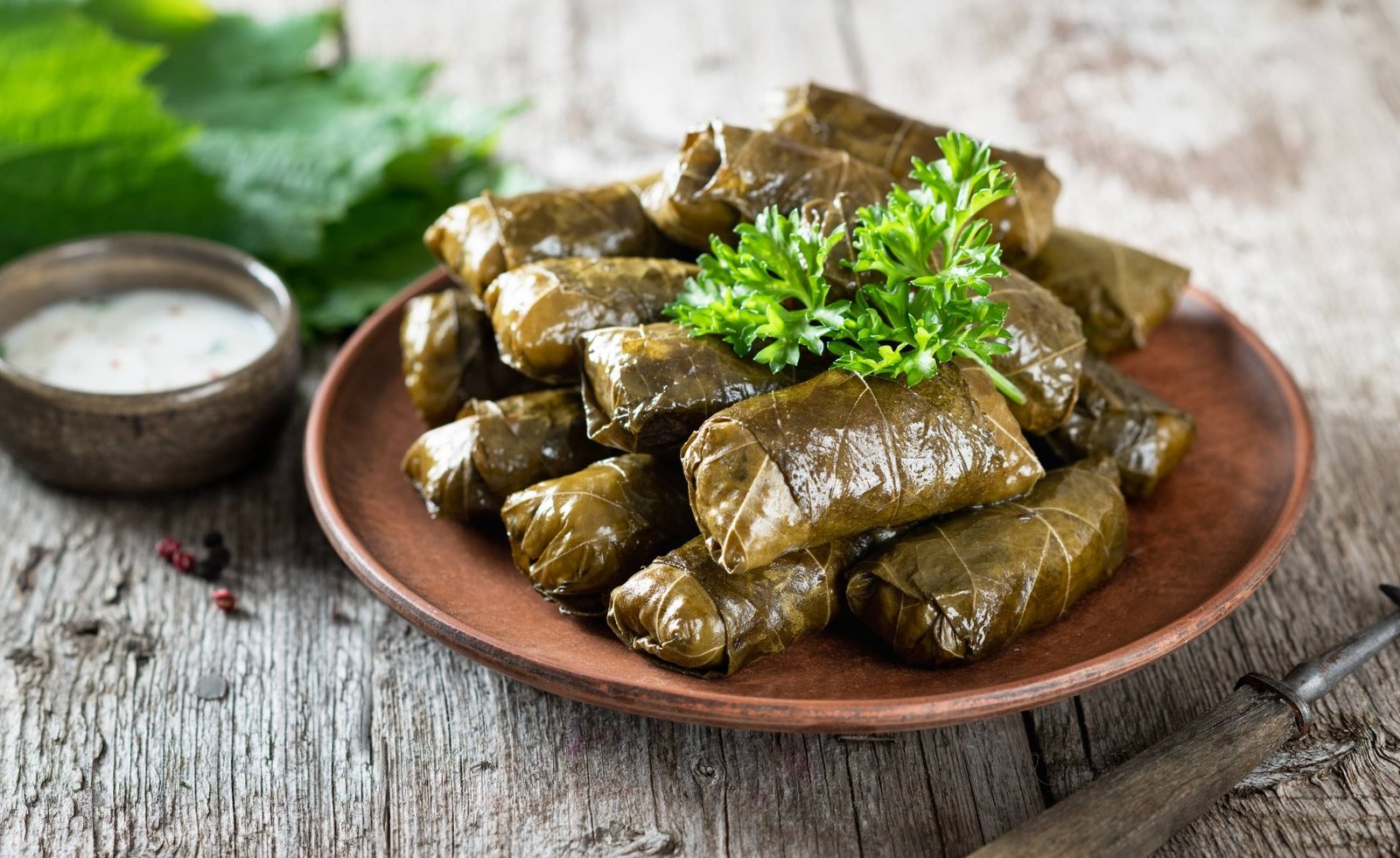
Perhaps no other dish says as much about Azerbaijani hospitality. Dolma is made of small parcels of minced meat, rice, onion, peas and spices, tucked into grape leaves or into eggplants, cabbage, quince and apples. In spring, when young leaves appear on the vines, dolma is made with special enthusiasm, and in different regions cooks also use quince leaves, sorrel and other leaves. In 2017 the dolma tradition was inscribed on UNESCO's Intangible Cultural Heritage list.
Plov as a celebration
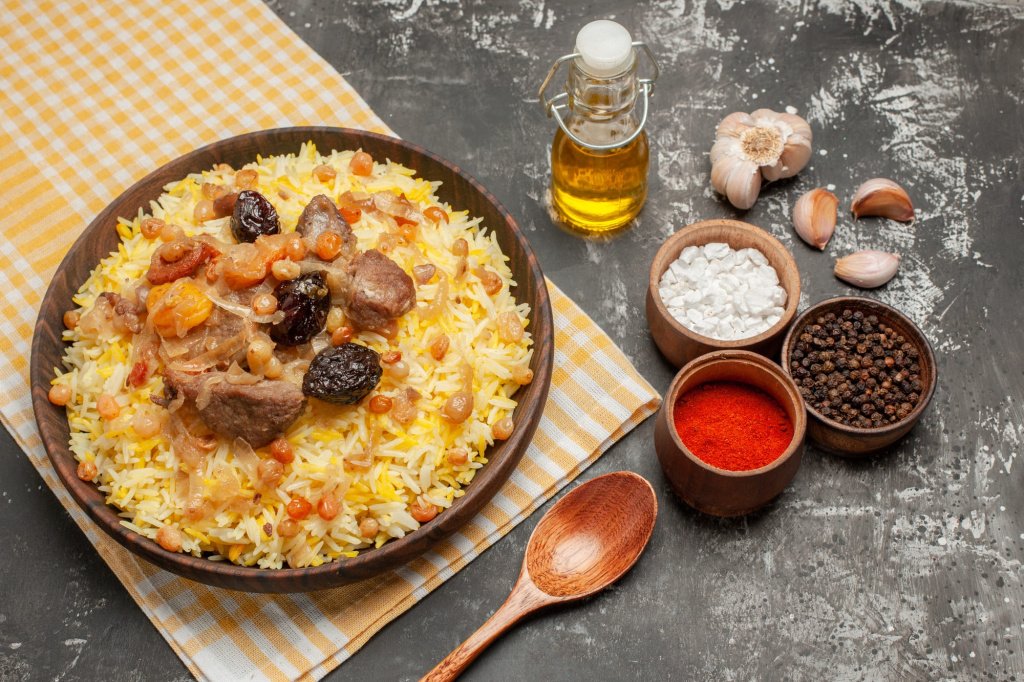
In Azerbaijan, plov is never just rice with meat. It is cooked with lamb or chicken, dried fruit, chestnuts and saffron, and every cook is proud of their own recipe. At Novruz, plov is the main dish of the festive table, and its most spectacular version, shah plov, is served in a golden lavash crust that is broken open at the table. Good plov comes out fluffy, and the scent of saffron reaches you at the door.
Lavangi: the south on a plate
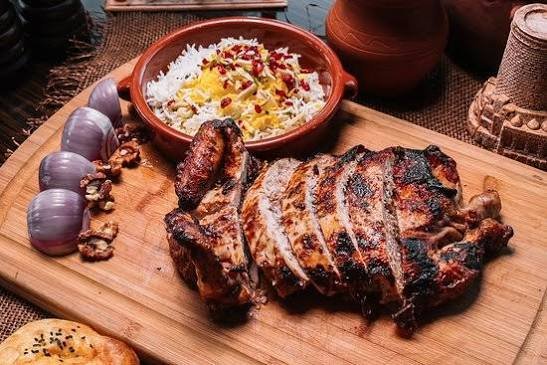
For those ready for unexpected combinations, there is lavangi. Chicken, fish or game is stuffed with walnuts, onions and spices and baked in the oven or tandoor. The dish is especially loved in the south of the country, in Lankaran, Masalli, Astara and Lerik, and on the Absheron Peninsula. The walnuts and spices make it both tender and rich.
A sweet full stop
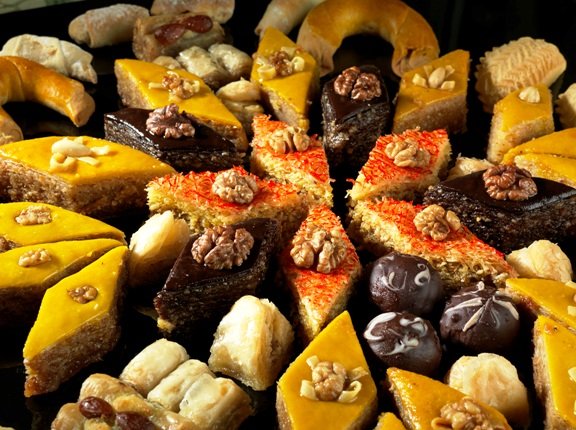
Sweets close the feast. Pakhlava, including the Sheki and Ganja versions, shekerbura, kurabiye, mutaki and sheker-churek: nuts, butter, spices, eggs and flour become a true art here. According to guidebooks, in March 2009 a pakhlava 12 meters long and weighing about three tons was baked in Ganja for Novruz, and it entered the CIS Book of Records.
What to drink
In the heat, sherbet comes to the rescue, a non-alcoholic drink made from fruit, berries and aromatic herbs, and a heavy lunch goes well with ayran, a refreshing drink of yogurt whisked with water and salt. Traditional Azerbaijani cuisine does not use pork, and alcohol is not used in its dishes, although the restaurant menus of modern Baku are far more varied.
Comments (0)
Leave a Comment