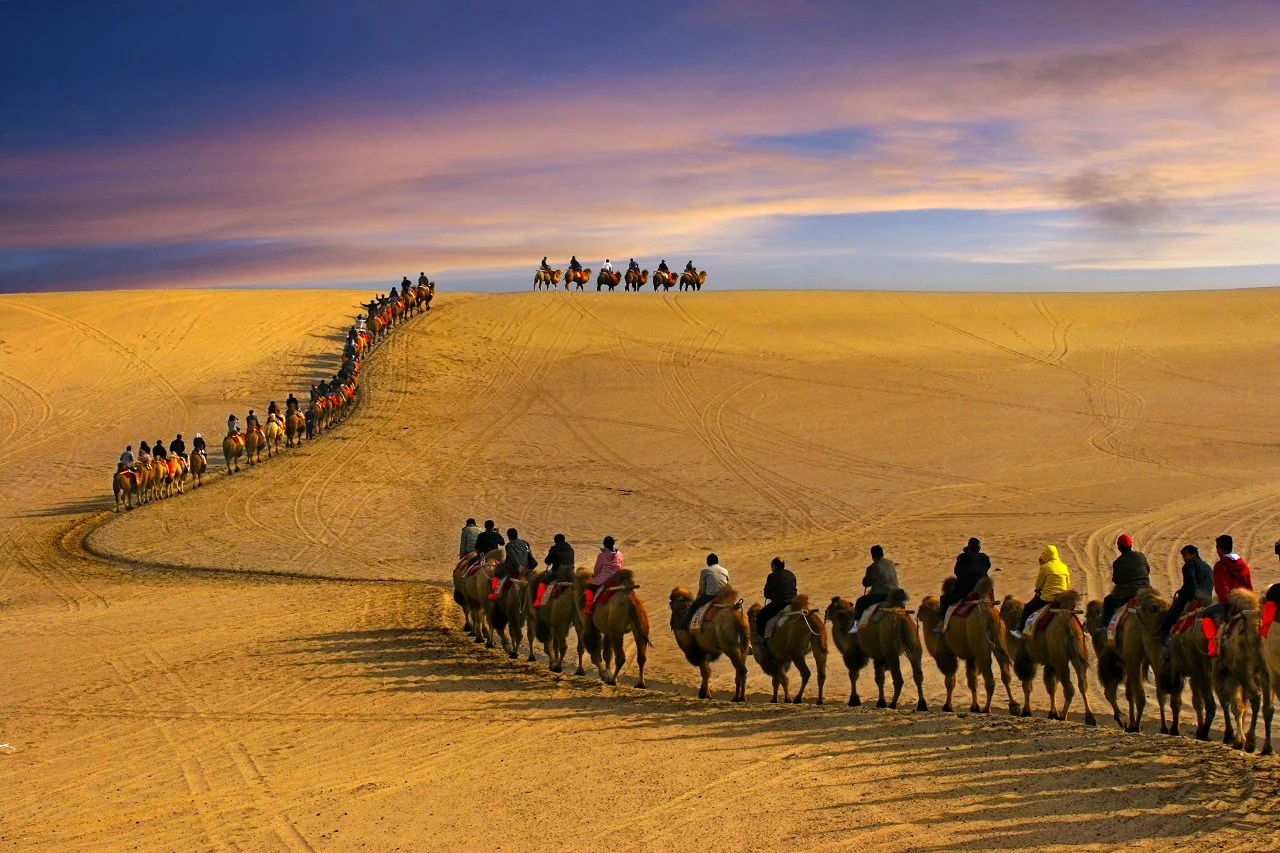
There are places in the world where history feels distant, like something locked behind museum glass. And then there are places like Azerbaijan, where history doesn’t feel finished at all — it feels like it’s still breathing under your feet.
If you travel across modern Azerbaijan today, it’s easy to forget that you are moving along one of the most important corridors of the Silk Road. Yet for centuries, this land was not a border — it was a bridge. A place where East met West not in theory, but in everyday life.
The Silk Road here was not a single road. It was a network of routes that cut through mountains, crossed rivers, followed the Caspian coast, and connected distant civilizations. Caravans moved slowly but constantly, carrying silk, spices, ceramics, metalwork, and precious goods. But more importantly, they carried people, languages, and ideas.
It is hard to imagine today, standing in a quiet valley or a modern city street, that the same ground once echoed with the sound of caravan bells and footsteps of traders who had traveled for months.
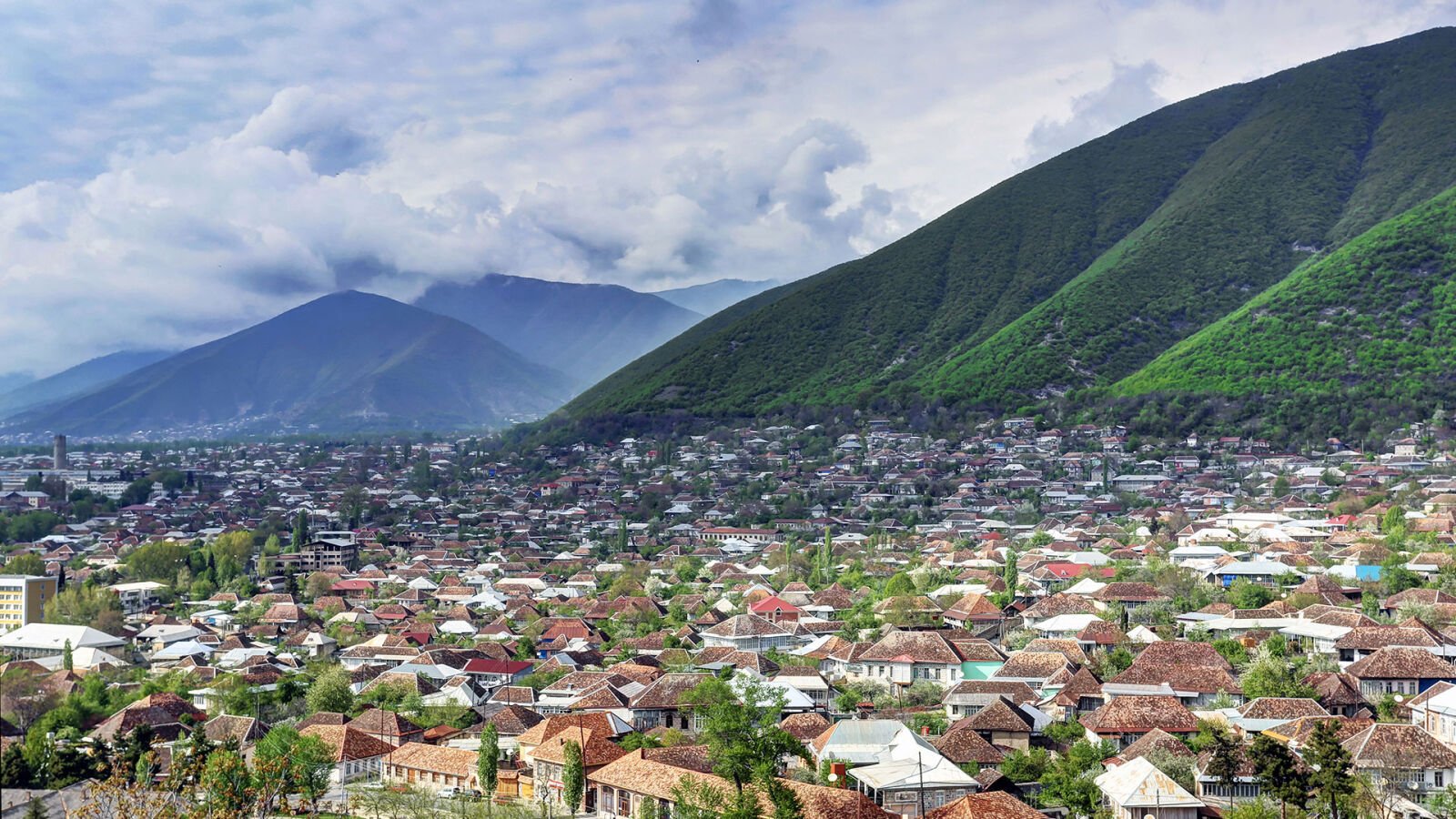
One of the most important stops along these routes was Sheki. Even now, Sheki feels like a place shaped by stories. Nestled in the foothills of the Caucasus, it once served as a key Silk Road trading hub where caravans would stop, rest, and prepare for the next stage of their journey.
In the evenings, merchants from different lands gathered under the same roof, speaking different languages but sharing the same purpose. The city became known for its caravanserais — massive stone buildings designed to protect both travelers and goods.
Walking through the Sheki Caravanserai today, it is still possible to feel that atmosphere. The thick stone walls, the central courtyard, the small rooms that once hosted traders — everything seems frozen in a moment that is not really gone, just quieter now. It is easy to imagine the courtyard filled with voices, horses, and negotiations that shaped entire trade routes.
But Silk Road life was never easy. Caravans moved slowly across difficult terrain. The journey could take weeks or even months, and every step carried uncertainty. Weather could change suddenly in the mountains, supplies could run low, and the routes themselves were long and exhausting.
That is why caravanserais were essential. They were not luxury stops — they were survival. A place to rest, to recover, to repair, and to continue forward. Without them, the Silk Road in the Caucasus would not have functioned the way it did.
Further along the route lies Baku, a city that played a completely different but equally important role. Positioned on the edge of the Caspian Sea, Baku became a point where land and sea trade connected. Goods arriving from inland Silk Road routes could continue across maritime paths, extending the reach of trade even further.
Inside the old city of Icheri Sheher, the atmosphere of that past world is still present. Narrow streets wind between ancient stone buildings, and although the modern city has grown far beyond its walls, this historic core still carries the memory of merchants, craftsmen, and travelers who once passed through it daily.
But the Silk Road in Azerbaijan was never only about trade. It was also about connection. Along these routes, religions traveled, scientific knowledge spread, artistic styles evolved, and cultures blended in ways that shaped entire regions.
Azerbaijan’s cultural identity today is deeply connected to this movement. It reflects centuries of exchange between East and West, North and South — a layered heritage formed not in isolation, but in constant interaction.
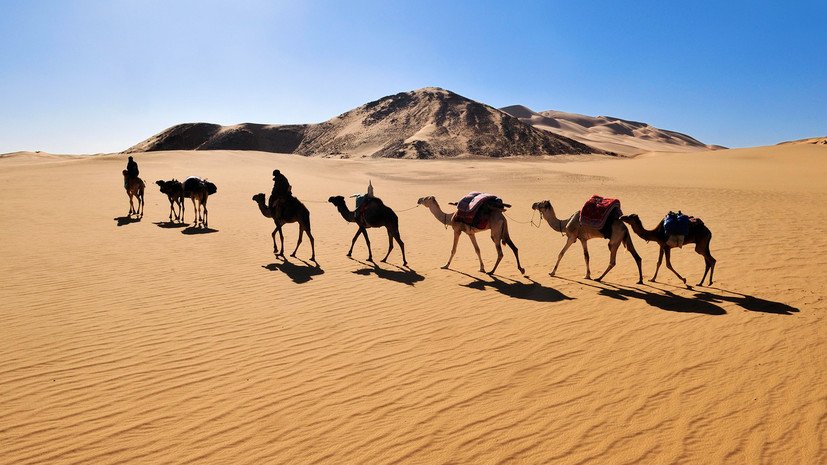
As caravans moved through the land, they were not just transporting goods from one empire to another. They were slowly stitching together different worlds into something shared.
And even though the caravans are gone, their paths have not disappeared.
Traveling through Azerbaijan today, you can still trace fragments of those ancient Silk Road routes. Roads now carry cars instead of camels, and cities have transformed into modern spaces, but the geography remains the same. The mountains still stand where they always have. The rivers still cut through valleys. The Caspian still marks the edge of this crossroads region.
From Sheki in the north to Baku on the coast, the Silk Road is no longer a trade system — but it is still a story written into the land itself.
And when you move through it slowly, you start to realize that the Silk Road was never just about where people went.
It was about how far they were willing to travel to stay connected to the rest of the world.
Comments (0)
Leave a Comment