Some countries are remembered for their architecture. Others for mountains or endless coastlines. But Azerbaijan is remembered for something far more elemental — fire. Not as a metaphor, but as a natural phenomenon that has shaped its history, beliefs, and identity for thousands of years.
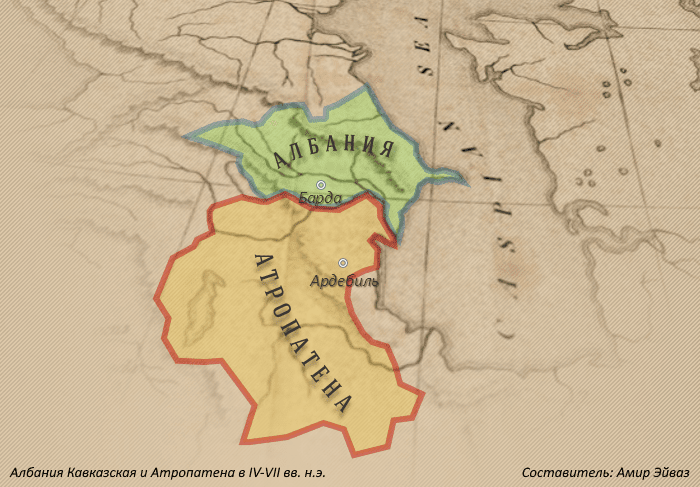
The very name “Azerbaijan” is often linked to the ancient region of Atropatene, derived from the name of Atropates, a ruler during the era of Alexander the Great. Over time, the name evolved, yet the association remained connected to fire — often interpreted as “the land protected by fire.” In this part of the Caucasus, fire has never been just symbolism.
On the Absheron Peninsula, where modern Baku stands today, natural gas has seeped through the earth’s surface for centuries. When ignited — sometimes by lightning, sometimes by accident — these gas emissions burned continuously. Ancient travelers described flames rising from the ground, illuminating the night sky. Caravans passing along the Silk Road told stories of a mysterious land where the earth itself was alive with fire.
It was here that one of the world’s oldest fire-centered belief systems found fertile ground. In Zoroastrianism, fire symbolized purity, truth, and divine light. Azerbaijan became home to fire temples, including the famous Ateshgah, where pilgrims from India and Persia once gathered to worship eternal flames fueled by natural gas. For them, the fire was sacred — not simply a physical element, but a spiritual presence.
Even today, fire remains deeply embedded in the country’s identity. In Baku, the modern Flame Towers dominate the skyline, transforming into massive displays of moving flames after sunset. This contemporary symbol mirrors an ancient reality: long before oil wealth and skyscrapers, there was fire rising from the land itself.
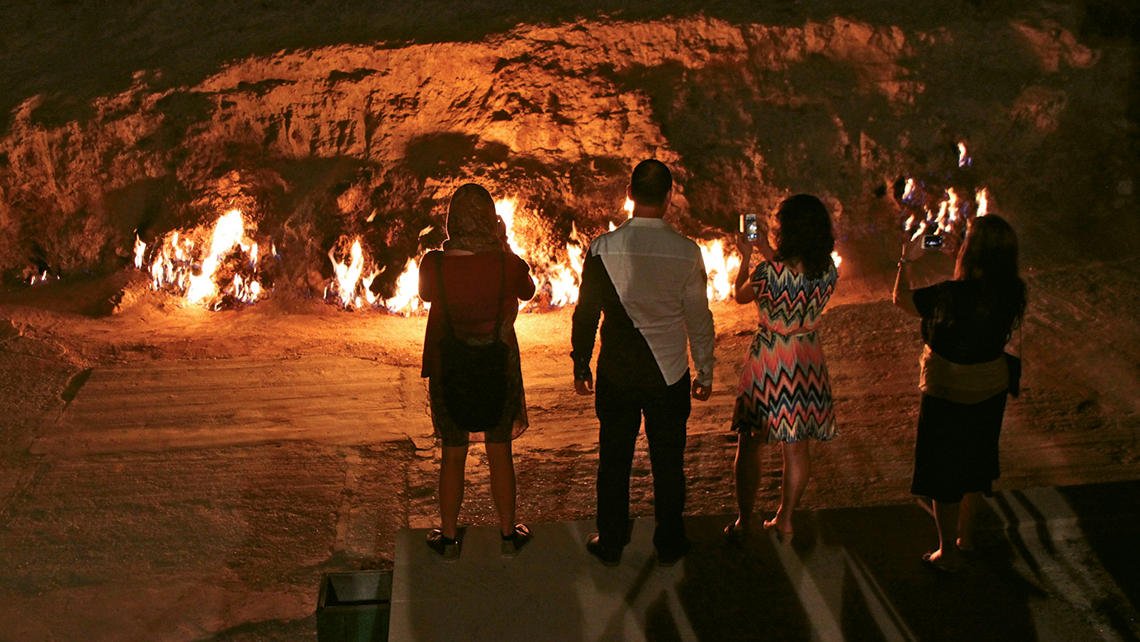
There are still places where this phenomenon continues. Yanar Dag — the “Burning Mountain” — is perhaps the most striking example. Along a hillside near Baku, a natural gas fire has burned steadily for decades. It does not extinguish in rain or snow. The sight is simple yet hypnotic: a line of flames stretching across the earth, reminding visitors of the forces hidden beneath the surface.
Fire in Azerbaijan, however, is not only geological. It is cultural. During Novruz, the spring festival marking renewal and rebirth, people light bonfires and jump over them, symbolically leaving misfortune behind. Fire represents purification, energy, and transformation. It bridges ancient traditions with modern life.
In the late 19th century, oil reshaped the country’s destiny. Baku became one of the world’s leading oil-producing centers, and industrial flames replaced sacred ones. Yet the imagery remained powerful. Fire evolved from myth to industry, from spiritual symbol to economic force — but it never lost its place in the national imagination.
When Azerbaijan is called the Land of Fire, it is not merely a tourism slogan. It reflects a geological reality, a spiritual heritage, and a cultural identity that has endured for millennia. Fire burns beneath the soil, within architecture, in traditions, and in collective memory.
To travel through Azerbaijan is to encounter this element in many forms — ancient temples, natural flames, glowing city skylines. The fire that once startled Silk Road traders still flickers today, illuminating both the past and the future of this remarkable country.
Comments (0)
Leave a Comment