Ganja is not what most tourists expect when they think of Azerbaijan. It's not dramatic like the Caucasus mountains, not stunning like Baku's modern skyline, and not hidden like the remote villages in the north. Instead, Ganja is something quieter—a city that speaks in whispers, where history is woven into the fabric of daily life so thoroughly that locals often don't realize how remarkable their hometown truly is.
Located roughly 300 kilometers northwest of Baku, Ganja is Azerbaijan's second-largest city, but it feels nothing like a secondary place. To visit Ganja is to step into a different era of the Caucasus, one that existed before oil, before Baku's transformation, when the region's power and prestige came from something else entirely: knowledge, trade, and the movement of ideas along the Silk Road.
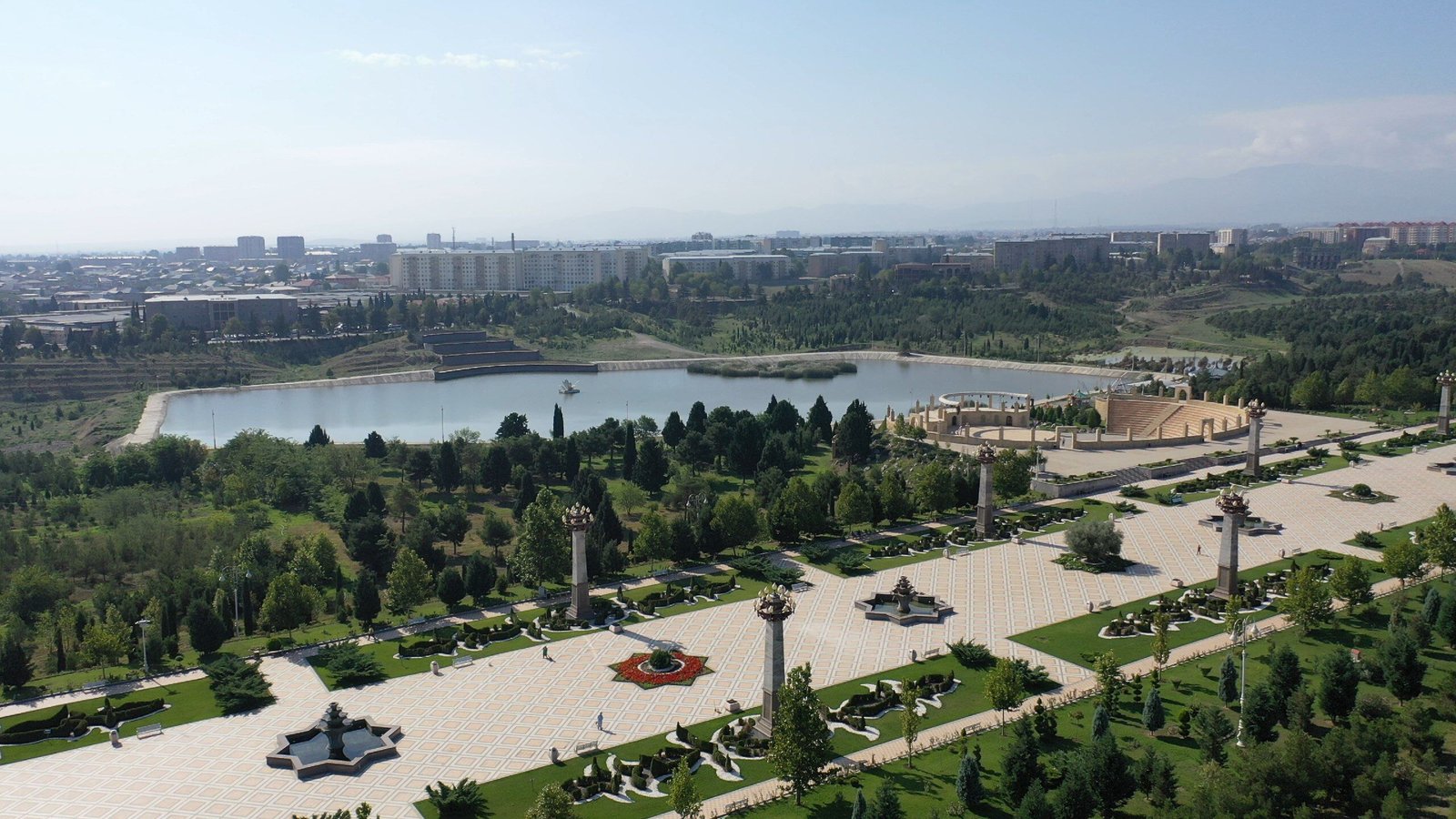
The City of Nizami: Where Poetry Shaped a Civilization
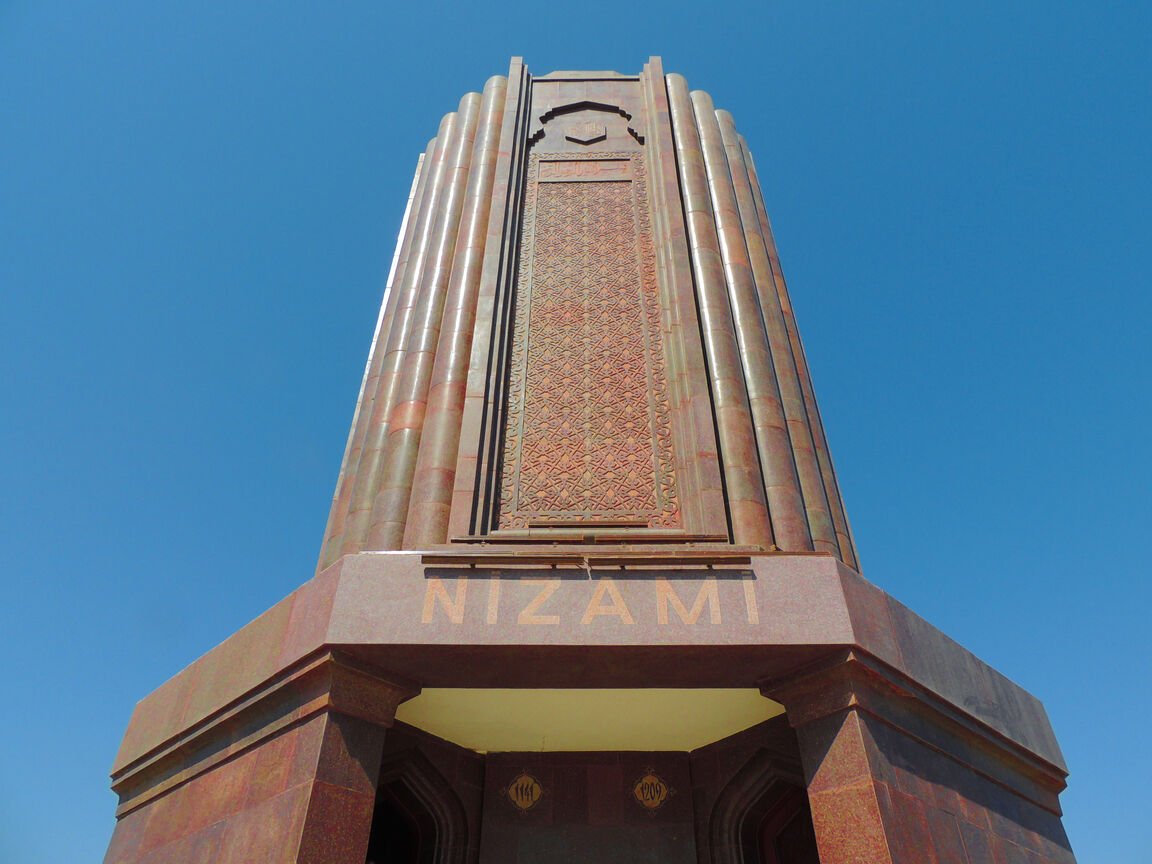
If Ganja has a soul, it belongs to a man who lived here nearly 900 years ago. His name was Nizami Ganjavi, and he was one of the greatest poets of the Islamic world. Born in Ganja around 1141, Nizami became a figure of such immense cultural importance that his shadow still falls across the city like a blessing.
Nizami wrote in Persian, creating masterpieces like the Khamsa (Five Poems), a collection that influenced literature throughout the Middle East, Central Asia, and beyond. His works weren't simply beautiful—they were philosophically profound, exploring themes of love, justice, wisdom, and the nature of existence itself. In an age before printed books, before mass media, Nizami's poetry traveled across empires, carried by merchants, scholars, and storytellers. Kings commissioned illuminated copies of his works. Scholars debated his ideas. Poets imitated his style.
What's remarkable is that Nizami remained a man of Ganja. Unlike many great poets who had to leave their hometown to find patronage and recognition, Nizami stayed. He lived in Ganja, worked in Ganja, and created his masterpieces in Ganja. The city didn't hold him back—instead, it seemed to inspire him. Perhaps the convergence of cultures, the movement of merchants from distant lands, the mixing of languages and ideas that characterized a Silk Road city, fed his creative imagination.
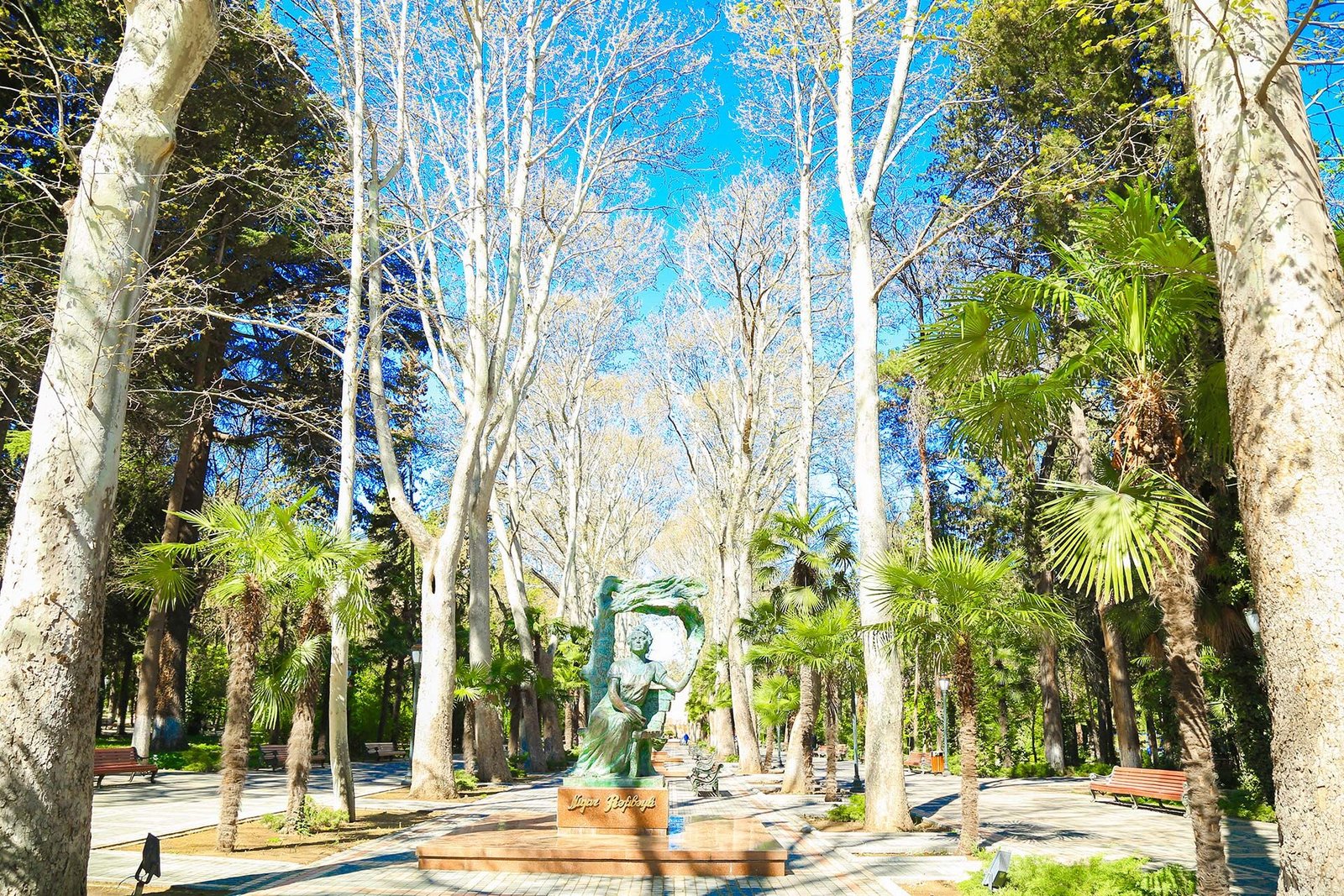
Today, Ganja honors its greatest son. The city center features a monument to Nizami, and his presence is everywhere—in street names, in the pride of locals, in the understanding that their city produced something of world significance. For Ganja, Nizami is not just a historical figure; he's proof that great things can come from unexpected places.
A Medieval Crossroads That Connected Worlds
To understand Ganja's historical importance, you need to understand the Silk Road. Most people imagine the Silk Road as a single highway stretching from China to Europe, but the reality was far more complex. It was a network of routes—some by camel, some by ship, some along mountain passes—that connected merchants, cultures, and civilizations.
Ganja was one of the crucial nodes in this network. Located at the crossroads of important trade routes, the city became a natural gathering place for merchants traveling between the Middle East, the Caucasus, and Central Asia. Silks from China, spices from India, metals from the mountains, and wool from local flocks all passed through Ganja's markets. But goods weren't the only thing that moved through the city—ideas, techniques, religions, and philosophies also traveled along these routes.
Caravanserais—the medieval equivalent of truck stops or hotels—dotted the city. These weren't simple structures; they were architectural achievements designed to protect valuable merchandise and provide comfort to merchants who might spend weeks on the road. A caravanserai typically had thick walls, internal courtyards protected from the elements, stables for animals, and storage areas for goods. The merchants who stayed in these buildings represented dozens of different cultures and spoke as many languages.
This mixing of cultures left its mark on Ganja. The city became a place of religious and ethnic diversity—Muslims, Christians, Jews, and Zoroastrians coexisted, each community maintaining its own traditions while living side by side. This wasn't always perfect or peaceful, but the diversity of Ganja gave the city a cosmopolitan character rare for its time.
The Architecture of Ambition
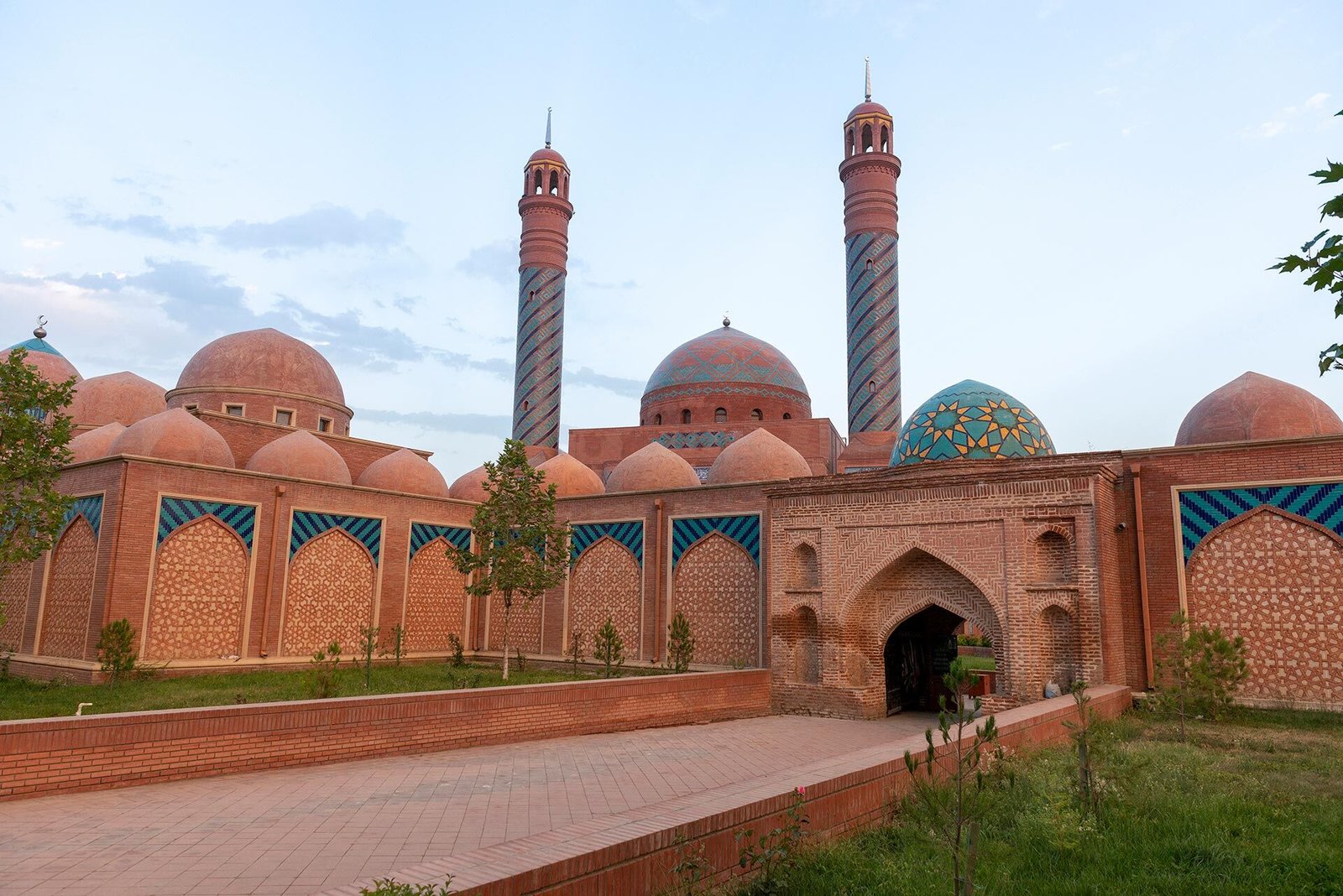
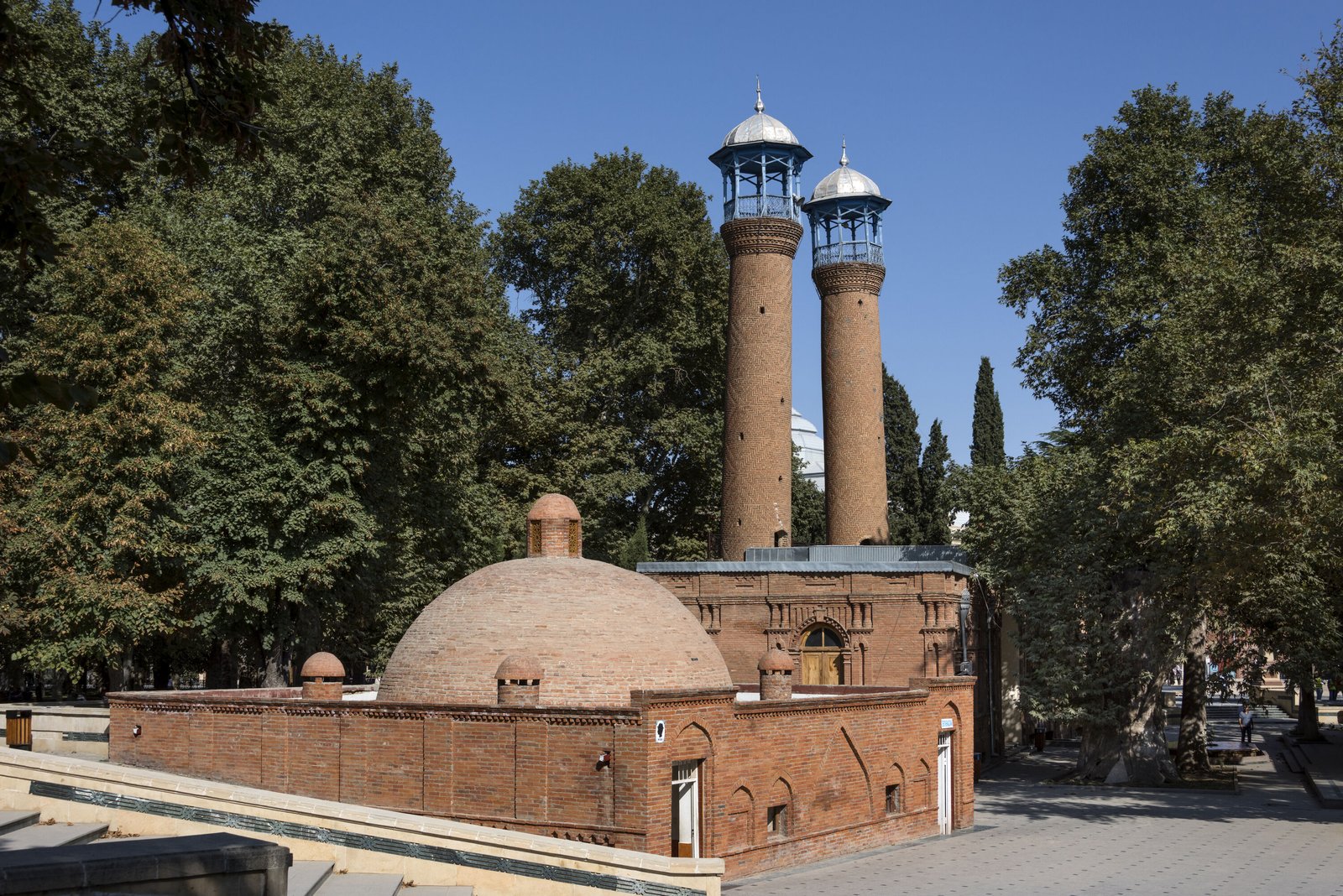
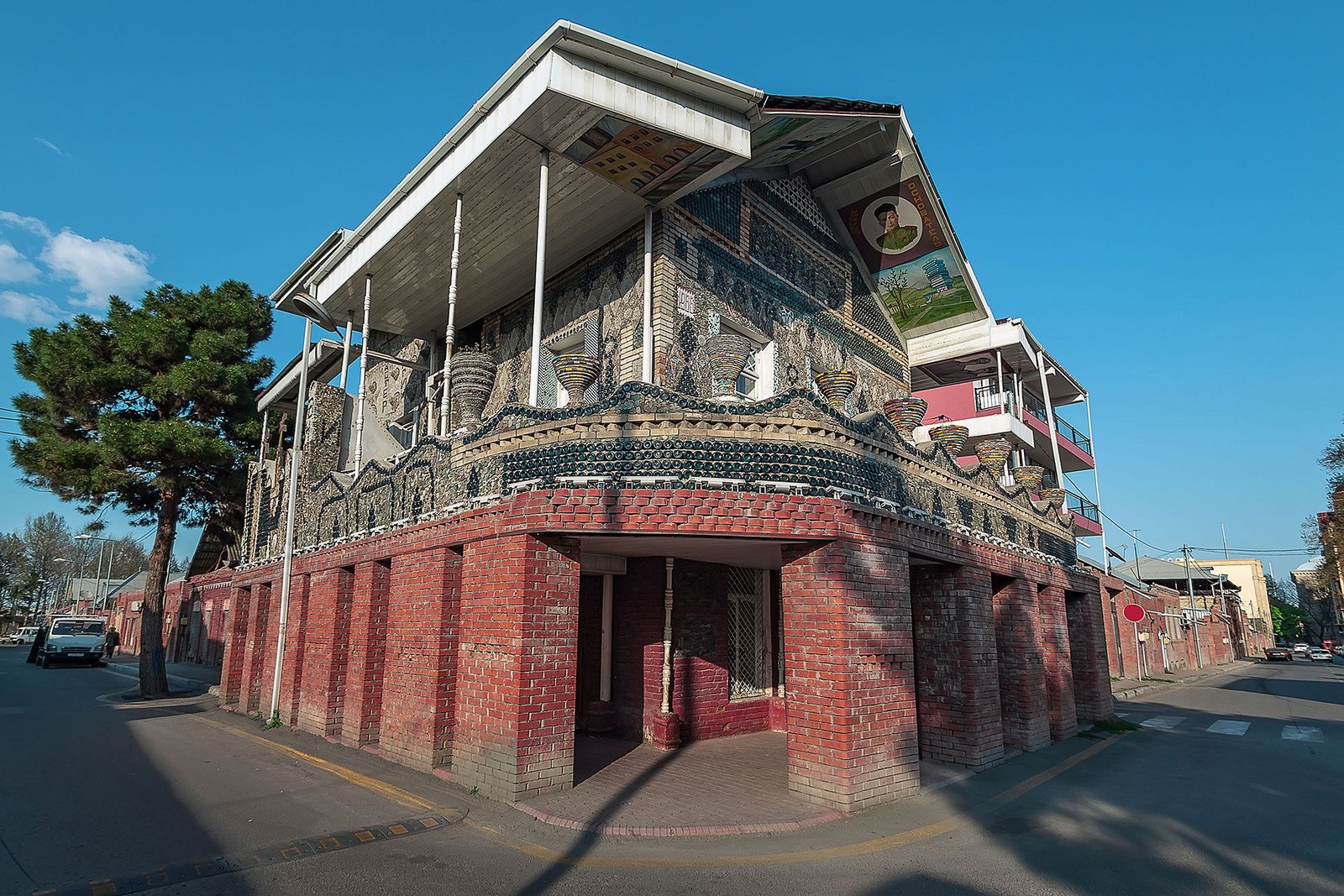
Walking through Ganja, you encounter layers of architectural history. The Juma Mosque, with its distinctive design and centuries of spiritual significance, stands as one of the city's most important structures. Built and rebuilt over centuries, the mosque represents the evolution of Islamic architecture in the Caucasus.
But Ganja's architectural story is more complex than just grand monuments. The city's traditional neighborhoods contain houses that follow patterns established centuries ago—high walls enclosing private courtyards, windows designed to provide privacy while allowing air circulation, entrance passages that create a buffer between the public street and private family space. These architectural details aren't mere decoration; they reflect a way of life, a philosophy of how families organize their homes and how public and private spaces relate to each other.
The fortification walls that once surrounded Ganja are mostly gone now, destroyed over time by wars, urban expansion, and modernization. But traces remain—in old gates, in sections of wall built into newer structures, in the memory of the city's ancient boundaries. These walls told their own story: Ganja was important enough to defend, valuable enough to protect, worth fighting for.
A City That Survived Everything
Ganja's history is not a simple story of progress and prosperity. The city has been destroyed and rebuilt multiple times. Invasions, earthquakes, wars—Ganja has endured them all. In the 18th century, a massive earthquake devastated the city, killing thousands. The city recovered, rebuilt itself, and continued. This resilience is part of Ganja's character. It's a city that has learned to bend without breaking, to lose and rebuild, to maintain its identity despite external pressures.
This history of destruction and renewal gives Ganja a particular atmosphere. There's melancholy in the city, but also strength. Walking through Ganja, you sense that you're in a place that has seen much, endured much, and survived through sheer determination. The locals carry this history in their bearing, in their way of speaking about their city with both pride and a kind of knowing sadness.
The Soul of a City: What Makes Ganja Different
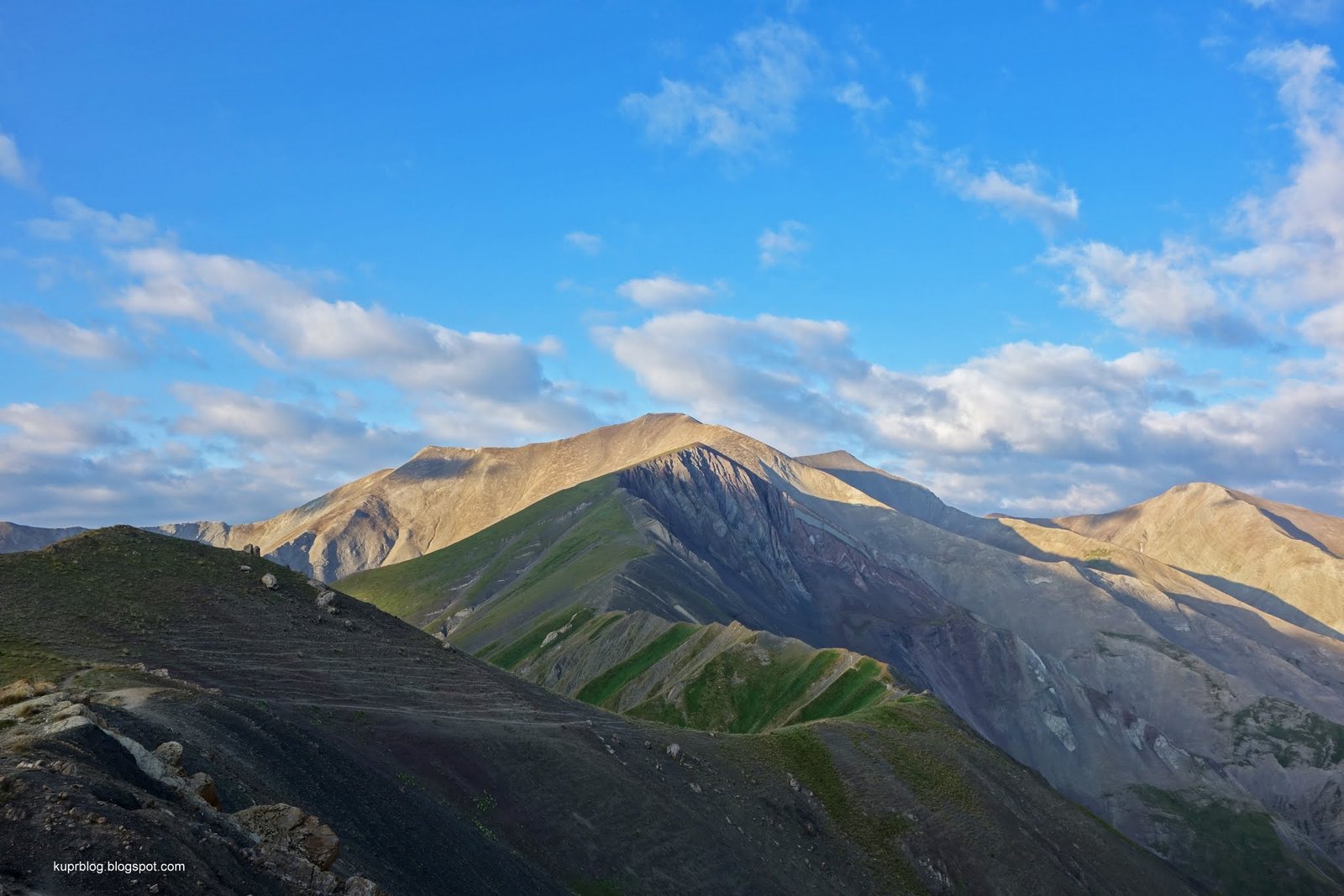
Visit Babadag, a hill on the outskirts of Ganja, and you get a view of the entire city spread below you. From this vantage point, Ganja doesn't look particularly impressive—no soaring skyscrapers, no modern architectural statements. Instead, you see a city of moderate size, with traditional neighborhoods, some newer buildings, and the rhythm of daily life unfolding below.
But from Babadag, you also understand something essential about Ganja. This city didn't become great because of oil or geopolitics or geographic advantage. It became great because of culture. Because merchants found it worth visiting. Because a poet emerged from it who changed the literature of the Islamic world. Because communities of different faiths coexisted here. Because knowledge and ideas were valued.
In this sense, Ganja represents a different model of importance than Baku. While Baku's story is about modernity, petroleum, and transformation, Ganja's story is about continuity, about how a place can remain significant not through constant change but through maintaining its character across centuries.
One of the most striking aspects of Ganja is how traditional crafts have persisted. The city is known for carpets—not the elaborate, highly decorated carpets sometimes associated with Azerbaijan, but simpler, more austere patterns that reflect Caucasian aesthetics. In Ganja, you can still find workshops where these carpets are made using methods unchanged for centuries. An old woman or a young man might sit at a loom in a workshop that looks much like workshops did 500 years ago, creating patterns that connect them directly to an unbroken chain of tradition.
This isn't nostalgia or tourist attraction. It's simply the way things are done in Ganja. Craftsmanship matters. Tradition matters. The knowledge passed from parent to child matters.
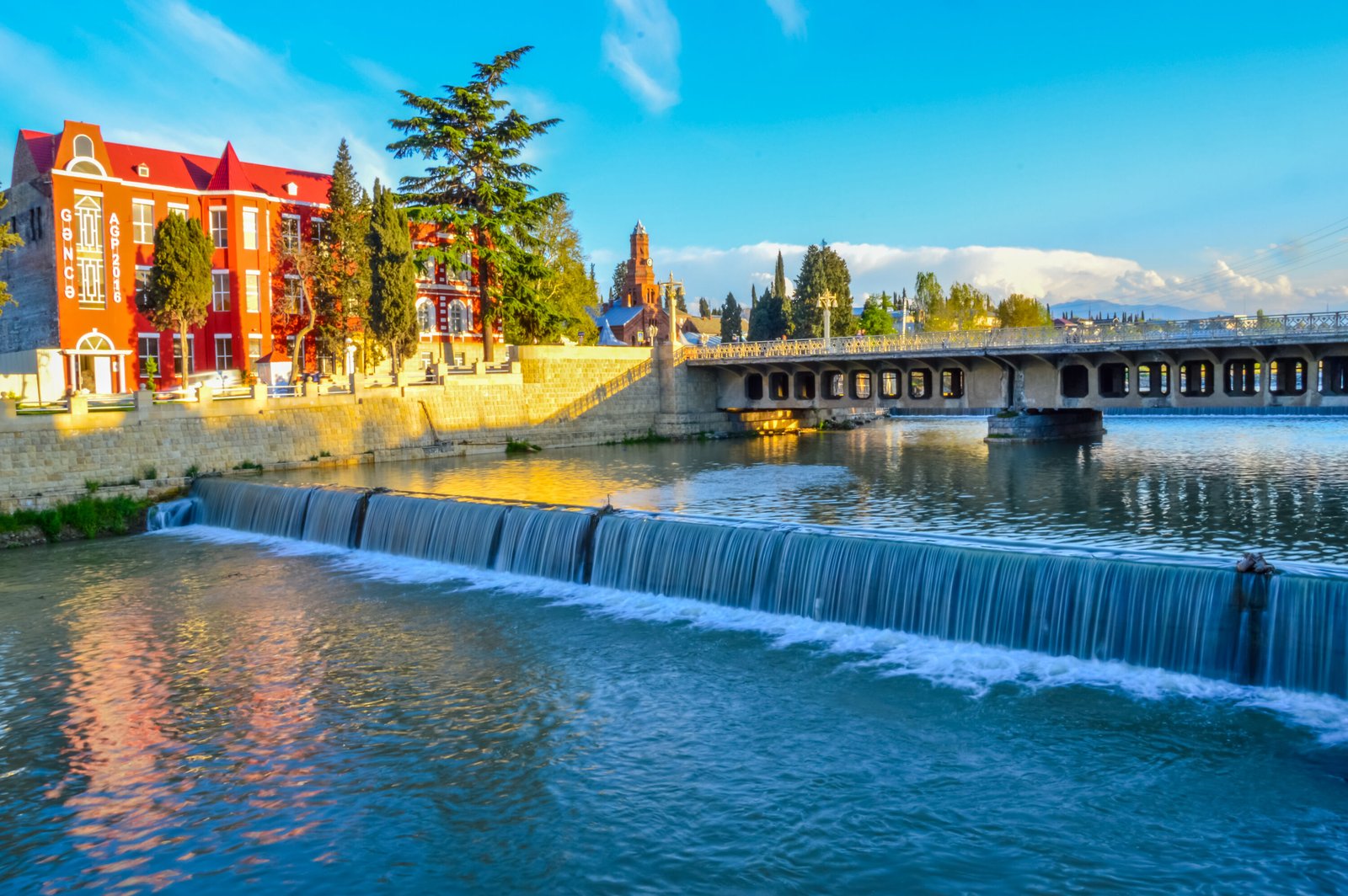
Ganja today is a city of contrasts. Modern apartment buildings stand near historical structures. Young people study in modern universities while their grandparents remember different eras entirely. The city is changing, becoming more connected to the modern world, yet it retains something of its medieval character—something in the layout of the old neighborhoods, in the rhythm of daily life, in the way locals relate to their history.
To visit Ganja is to encounter a city genuinely in conversation with its past. Not frozen in it, not trying to recreate it, but actively engaged with history as something living and relevant. The citizens of Ganja know they come from a place of significance. They know that a poet born here changed world literature. They know that merchants from dozens of nations once gathered in their city's markets. This knowledge isn't taught to them in school and then forgotten—it's part of how they understand themselves.
What remains in Ganja is something difficult to put into words. It's the feeling of a city that has been important, that knows itself to be important, even if the world has moved on to other centers of power and attention. It's the persistence of beauty in unexpected places—in a traditional courtyard, in a moment of sunlight on old stone, in the patience of a craftsperson at work.
Ganja doesn't demand your attention. It doesn't shout or perform or try to impress. Instead, it invites you to slow down, to look more carefully, to understand that significance doesn't require grandeur. Sometimes the most important things happen quietly, in places the world overlooks, in cities where poets write and merchants trade and ordinary people maintain traditions simply because those traditions matter.
This is Ganja—a city that understands itself, that respects its history, that continues forward while remaining rooted in where it comes from. In a world of constant change and reinvention, there's something profound about that.
Comments (0)
Leave a Comment